What Should Importers Verify Before Buying a Used Chinese EV for Export?
2026-09-15 16:38:23
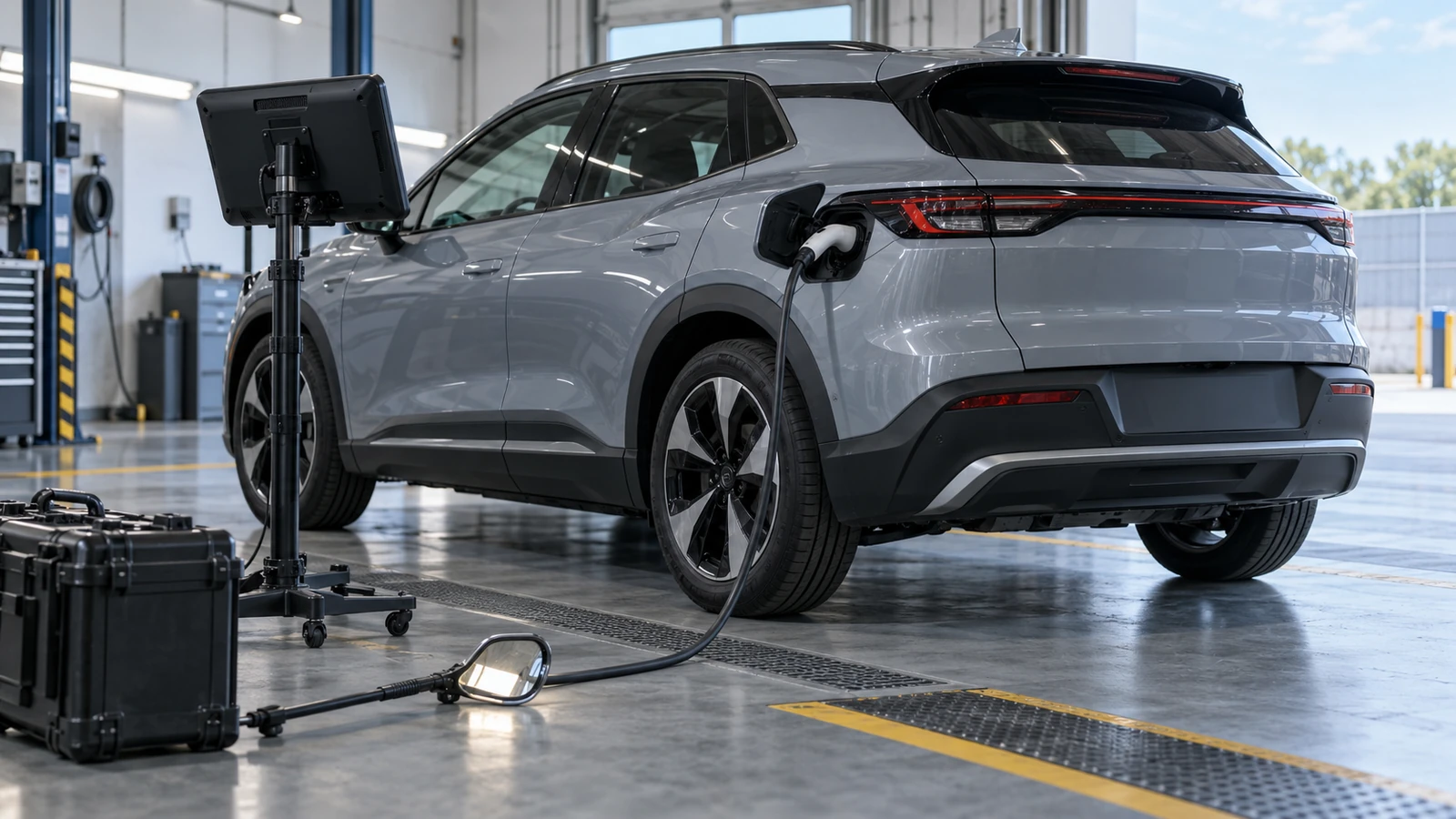
Importers buying a used Chinese EV for export must verify more than model year, mileage and advertised range. The decision should combine exact vehicle identity, high-voltage battery evidence, range-test basis, charging connector and electrical compatibility, software and language functions, tyre and body condition, included charging equipment, destination regulations, transport requirements and acceptance records. An advertised “430 km” label describes a model-version rating under a stated test cycle; it is not a guarantee of real-world range for every used unit, climate or driving pattern. Buyers should approve the exact vehicle only after the exporter separates verified unit facts from model-family specifications and records every unresolved item.
Why Is an EV Purchase Different From a Gasoline-Vehicle Purchase?
Both require identity, condition and document checks, but an EV adds a high-voltage battery, charging interface, power electronics, thermal management and software-dependent functions. These systems affect use in the destination market and may require specialist inspection. A clean exterior and low odometer reading do not establish battery condition or charging compatibility.
The importer should define who is responsible for battery testing, interpreting diagnostic data, confirming charging equipment and assessing local service capability. The exporter should state which checks and documents are included rather than implying a complete technical guarantee.
Start With the Exact Vehicle and Version
Record make, model, year, edition, motor specification, drivetrain, rated range label, battery type where verified, charging-port configuration and software/market version. Match these details to the specific VIN or stock reference. Different editions can share similar exterior styling while using different batteries, equipment or range ratings.
Translate domestic trim names carefully and retain the original model reference. The quotation should distinguish verified unit equipment from options listed for the broader model family.
Which EV Variables Should Buyers Freeze Before Quotation?
| Decision area | Buyer input | Supplier confirmation | Evidence |
|---|---|---|---|
| Vehicle identity | Model/version/year | Exact unit and VIN/reference | Unit records and photos |
| Battery | Required health evidence | Available test/diagnostic scope | Dated unit-linked report |
| Range | Use case and climate | Published test-cycle basis | Model specification |
| Charging | Destination connector and supply | Vehicle port and included cable | Photos/specification |
| Software | Language/navigation/connectivity needs | Actual supported functions | Screen/function check |
| Condition | Inspection acceptance limits | Unit-specific findings | Checklist, photos, video |
| Compliance | Destination rules | Included document scope | Document list |
What Battery Evidence Should Be Requested?
Ask what can be verified for the specific vehicle: warning status, charging operation, diagnostic information, battery-state indicators, visible underbody condition and relevant service or repair records if available. Define the inspection method, date, vehicle reference and limitations. A dashboard percentage shown in a photograph is state of charge, not proof of state of health.
If the project requires a minimum battery-health threshold, state the required measurement method and acceptance basis before quotation. Different tools or vehicle systems may report different indicators, so an unqualified percentage is not sufficiently comparable. Any unavailable evidence should be disclosed as a deviation.
How Should Advertised Range Be Interpreted?
A model name containing “430KM” refers to a published version/range designation, not a promised used-unit driving distance. Real-world range depends on test cycle, battery condition, ambient temperature, speed, terrain, HVAC use, load, tyres and driving behaviour. The supplier should state the published basis used on the product page and avoid converting it into an unsupported real-world promise.
Importers should translate customer needs into daily distance, charging opportunities and worst seasonal conditions. If a dealer plans to advertise range locally, its marketing language should identify the rating basis and avoid presenting a laboratory figure as guaranteed road performance.
Why Must Charging Compatibility Be Confirmed Physically?
Country, connector shape and voltage assumptions are not enough. Request clear photographs of the vehicle charging inlet, the included cable or portable charging equipment, labels where available and confirmation of supported AC/DC charging interfaces for the exact version. Then compare these facts with local charging infrastructure through a qualified destination-market specialist.
An adapter is not automatically a safe or complete solution. Communication protocol, electrical ratings, earthing, thermal limits and regulatory acceptance may matter. Do not approve a vehicle because the plug appears similar in a photograph.
Which Software and Cabin Functions Matter for Resale?
Check available display languages, unit settings, navigation region, mobile-app dependence, connectivity, over-the-air update status and whether key functions remain usable outside the original market. Ask for a video of the actual infotainment and instrument screens without exposing private account data.
Software availability can change, and the exporter may not control third-party services. The quotation should separate confirmed offline vehicle functions from services that depend on a regional account, SIM, network or manufacturer support.
How Should Physical Condition and High-Voltage Safety Be Separated?
A normal used-car inspection still covers paint, panels, glass, lights, cabin, tyres, brakes, underbody and warning indicators. EV-specific checks should additionally examine visible battery-enclosure damage, charging-port condition and high-voltage warnings using trained personnel and approved procedures.
Do not request unsafe dismantling or improvised high-voltage tests. If specialist evidence is required, define a qualified inspection provider and scope. A visual inspection can identify visible concerns but cannot prove internal battery condition.
What Must Be Confirmed for Transport and Destination Entry?
Battery-powered vehicles may be subject to carrier, port and documentation requirements that differ from conventional cars and can change. State the destination, shipping method and required schedule, then ask the logistics provider to confirm current acceptance, battery/vehicle documentation, state-of-charge conditions and handling rules.
Separately verify destination import, age, steering, safety, charging and registration requirements. Export clearance at origin does not guarantee local registration or public charging compatibility.
How Should Buyers Evaluate a BYD Yuan PLUS Offer?
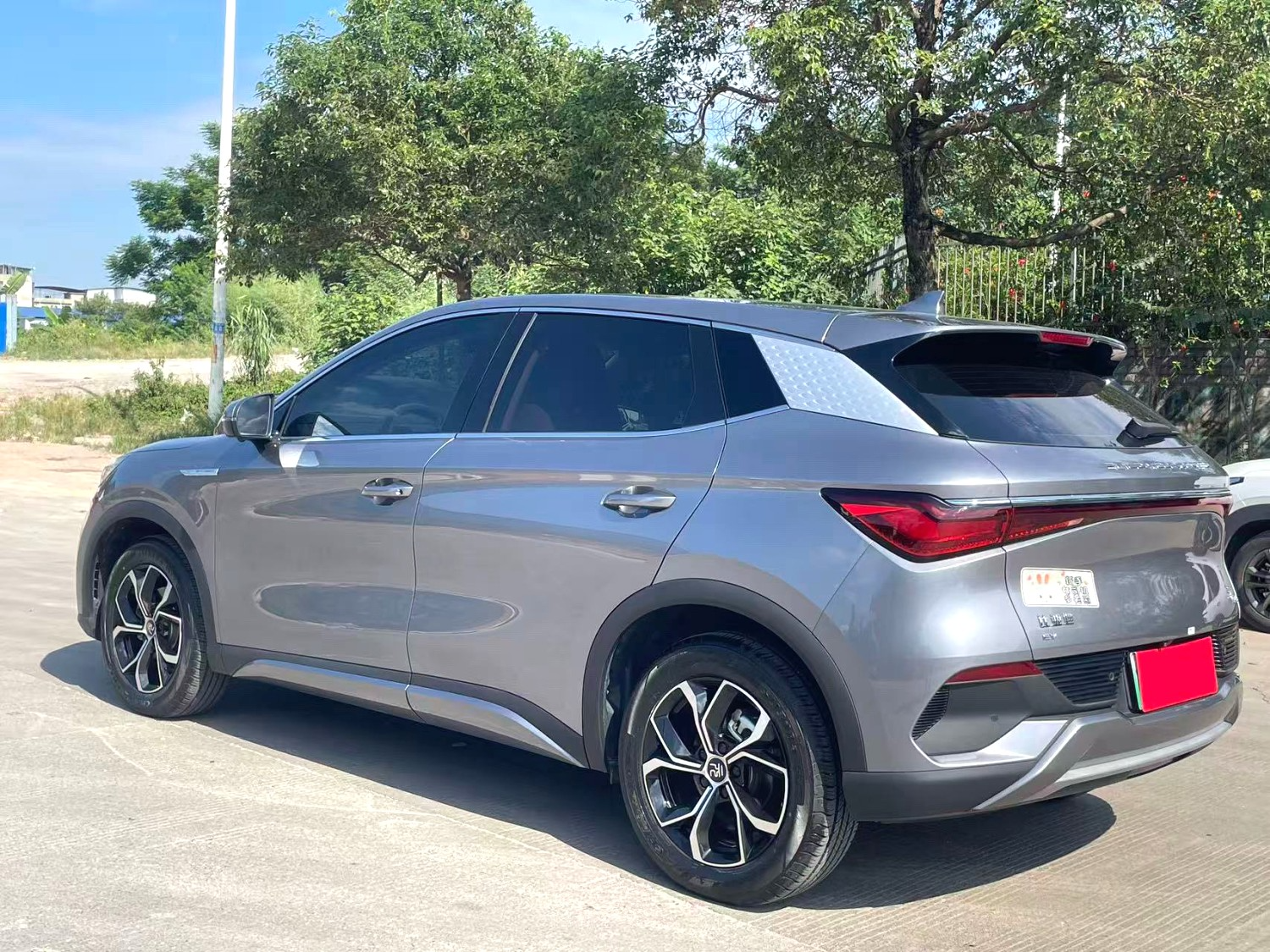
Jansbon’s vehicle brand catalog provides a discovery path across available models. The 2024 BYD Yuan PLUS 430KM Leading Edition page identifies a 204 HP electric compact SUV model reference.
The buyer should still request the exact unit reference, present mileage and condition, battery evidence, actual charging inlet, included charging equipment, software functions, keys, documents and logistics scope. Page-level specifications must not be substituted for unit-level acceptance.
What Common EV-Sourcing Mistakes Increase Risk?
- Treating rated range as guaranteed range: test basis and operating conditions are ignored.
- Using state of charge as battery health: two different measures are confused.
- Matching only the plug shape: electrical and communication compatibility remain unverified.
- Assuming software works globally: language, account and regional services are not checked.
- Leaving shipping review until payment: carrier requirements can affect schedule and cost.
What Should a Used-EV Export RFQ Include?
- Destination country, port and registration market.
- Exact model, year, edition and acceptable alternatives.
- VIN/stock reference and current mileage.
- Battery-health evidence and acceptance method.
- Published range figure and test-cycle basis.
- Charging-inlet photos and supported interface.
- Included cable, portable charger and accessories.
- Software, language and connectivity requirements.
- Physical-condition and high-voltage inspection scope.
- Keys, manuals, records and export documents.
- EV shipping conditions and logistics responsibility.
- Price boundary, Incoterm, validity and delivery schedule.
Submit these requirements through the Jansbon EV export inquiry form. Require the response to mark every item as Confirmed, Deviation, Alternative, or Buyer Input Required before approving the vehicle.
Frequently Asked Questions
Does a fully charged dashboard prove that the battery is healthy?
No. The displayed charge level indicates how full the battery is at that moment; it is not the same as a verified state-of-health result. Battery acceptance should identify the diagnostic or test method, date, vehicle reference and interpretation limits. A buyer should reject unsupported percentages that are not tied to a defined method.
Will a 430 km rated EV travel 430 km after export?
Not necessarily. The label belongs to a model version and a stated test basis. Actual distance changes with battery condition, temperature, speed, terrain, HVAC use, load, tyres and driving behaviour. Dealers should present the rating basis accurately and avoid guaranteeing real-world range without application-specific evidence.
Can an adapter solve every charging-interface mismatch?
No. Connector geometry is only one part of compatibility. Electrical ratings, communication, earthing, thermal control, vehicle support and local approval can also matter. A qualified destination-market review should confirm the entire charging path before the vehicle is purchased.
Does model data replace final vehicle acceptance?
No. Model data describes the intended configuration, while the transaction concerns one physical vehicle. The importer should verify the delivered EV as a complete system: identity, charging, warnings, software, condition and agreed documents. The exact procedure must follow trained-personnel and high-voltage safety requirements.
The acceptance record should also identify the inspection date, vehicle reference, test limitations and responsible party so purchasing, logistics and the destination dealer review the same evidence.