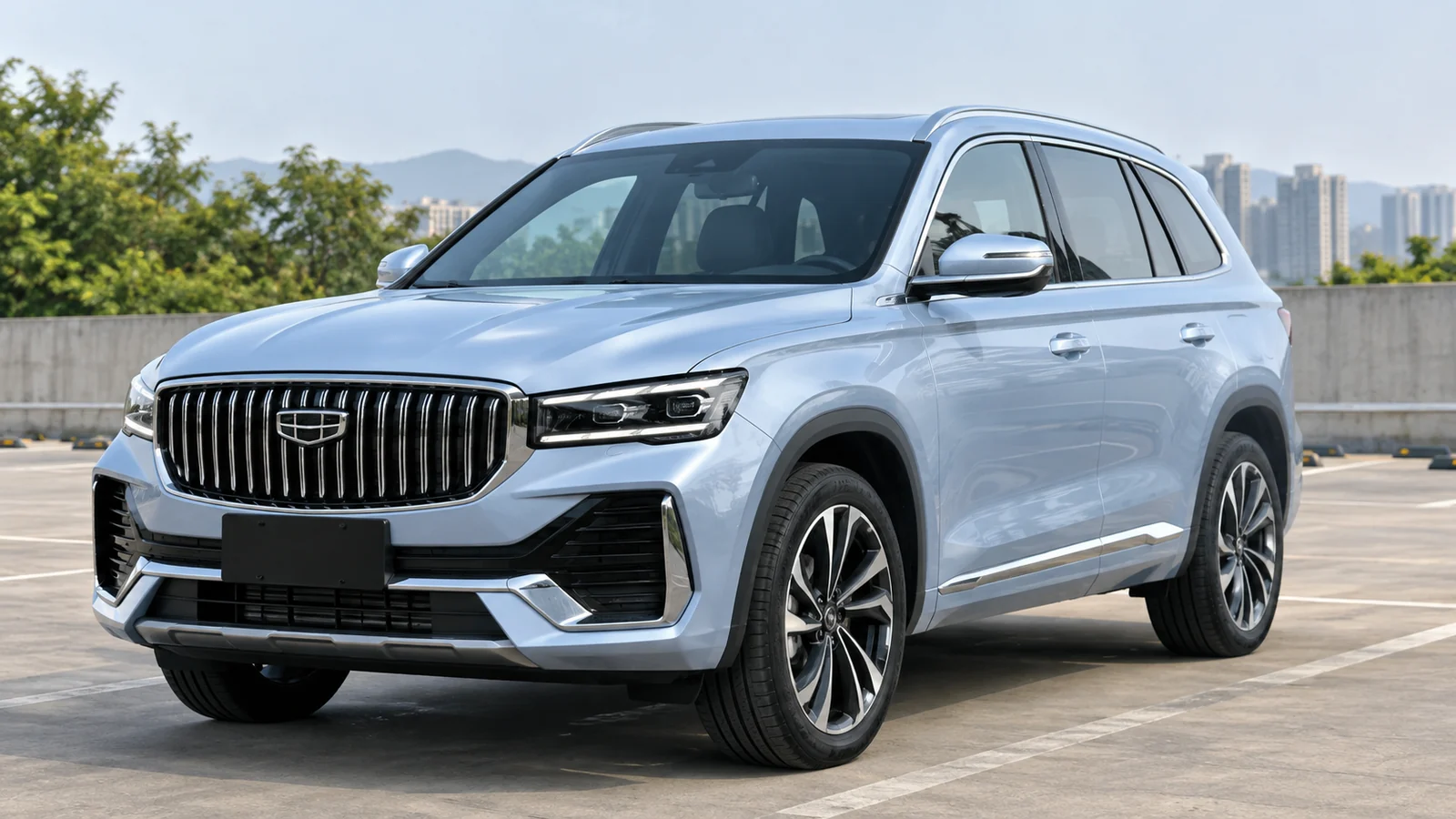
Chinese SUVs: How to Choose Between FWD and 4WD Models
2026-10-14 16:58:48
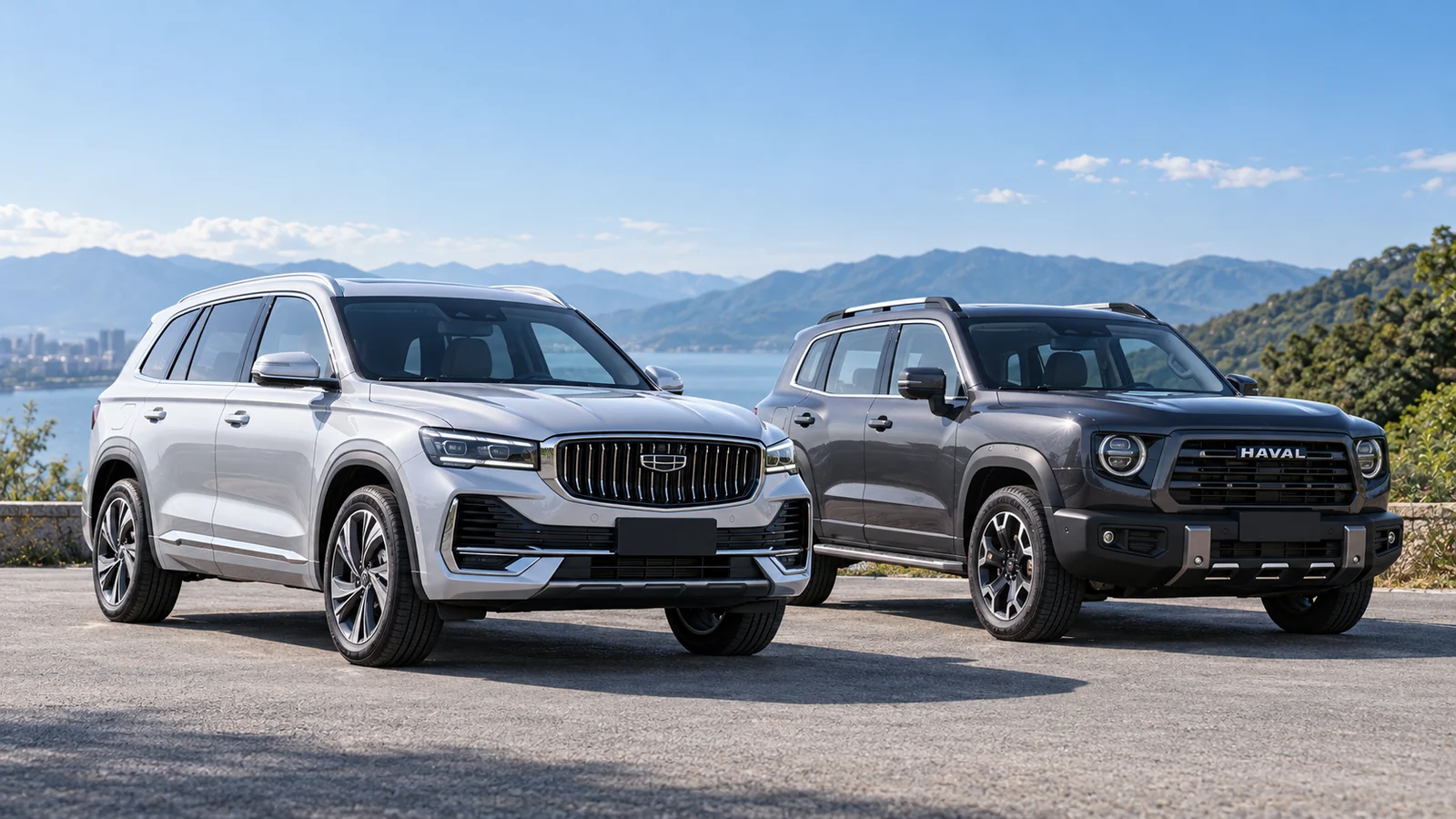
Chinese SUVs are offered with different drive systems, and the right choice between front-wheel drive (FWD) and four-wheel drive (4WD) depends primarily on the roads, traction needs and operating conditions the vehicle will face. FWD sends driving power to the front wheels and can be sufficient for routine paved-road travel. A 4WD configuration can help deliver drive force to more wheels when traction is limited, but its usefulness depends on how that specific system works, the tires fitted and the road surface.
Vehicle importers should compare exact trims rather than assume every SUV from the same brand has the same drivetrain. Jansbon Car lists both a 2022 Haval H6 1.5T FWD Max Automatic and a 2021 Haval Dago 2.0T 4WD Xiaotianquan, providing two specific configurations for discussion—not a controlled performance test.
What Is the Difference Between FWD and 4WD in Chinese SUVs?
How Front-Wheel Drive Works
In an FWD SUV, engine or motor torque is delivered to the front wheels. The arrangement commonly supports everyday travel on maintained roads and avoids the need for a separate powered rear axle in typical FWD configurations. However, the car’s actual traction, handling and braking still depend on tire grip, weight distribution, stability control and driving technique. “FWD” is a drivetrain specification, not a measure of overall vehicle quality.
How Four-Wheel Drive Works
A 4WD SUV can supply driving torque to both axles under conditions defined by its system. Some designs engage the rear axle automatically when needed; others provide selectable modes or additional differential-lock functions. The labels 4WD and AWD are used differently across manufacturers, so buyers need the actual drivetrain description and operating instructions rather than relying on the badge.
| Point of comparison | FWD SUV | 4WD SUV |
|---|---|---|
| Driven axles | Front axle | Front and rear under specified operating conditions |
| Main evaluation | Normal road duty and running costs | Traction needs and system capabilities |
| Technical checks | Front driveline and tire condition | Transfer components, rear driveline, engagement and controls |
| Important limit | Less drive-force flexibility on low grip | Does not inherently improve stopping distance or tire grip |
Which Drive Type Fits Different Road Conditions?
Urban Roads and Daily Commuting
When most journeys use paved streets, highways and well-maintained parking access, FWD may provide the functionality buyers need without paying for drivetrain features they rarely use. Compare cabin size, visibility, engine suitability, fuel economy and actual maintenance history before spending more on a different drive type.
Wet Roads and Low-Grip Surfaces
On a slippery surface, 4WD may improve the ability to move off or distribute drive torque, provided the system is operating properly. It does not create additional tire-road friction. Braking and cornering remain constrained by tires, surface conditions and driver inputs. For frequent wet-weather use, correct tire specification, tread depth and stability systems deserve attention regardless of FWD or 4WD choice.
Uneven Roads and Rural Driving
For rougher roads, traction is only one requirement. Confirm ground clearance, approach and departure geometry, tire sidewalls, suspension travel, underside protection and the drivetrain’s limitations. A 4WD badge does not make every vehicle appropriate for deep mud, steep rock steps or sustained off-road use. Check the manufacturer’s operating restrictions for the exact model.
| Typical use | Primary consideration | Details to request |
|---|---|---|
| Mostly paved roads | FWD may be adequate | Condition, comfort, economy and tires |
| Occasional poor-grip access | Assess 4WD alongside proper tires | Traction control, system type and engagement |
| Regular uneven rural roads | Assess the full vehicle package | Clearance, protection, tires and maintenance support |
How Do FWD and 4WD Affect Fuel Use and Maintenance?
Understanding Fuel-Consumption Figures
Adding driven components can influence mass and mechanical losses, but it is not enough to predict fuel bills from a 4WD label. Engine displacement, tuning, vehicle weight, aerodynamics, tires, road speed and test procedure all matter. When comparing Chinese SUVs, use comparable test cycles or obtain evidence for the actual duty rather than treating two published laboratory numbers as a direct experiment on drivetrain efficiency.
Drivetrain Maintenance Considerations
An FWD vehicle requires checks of its front drive shafts, joints, mounts and transmission-related components. A 4WD model may add rear driveline parts, coupling or transfer components, extra lubrication points and controls, depending on design. Buyers should ask for the vehicle-specific service schedule, evidence of fluid maintenance where applicable and any recorded drivetrain faults. For a used 4WD SUV, test engagement functions and investigate warning lights, vibration or unexpected noises before purchase.
Comparing Real Models: Haval H6 FWD and Haval Dago 4WD
Jansbon Car’s product listings help demonstrate why full model identification matters. The Haval H6 2022 1.5T FWD Max Automatic is described as a gasoline, five-seat SUV with a 1.5T turbo engine and seven-speed wet dual-clutch transmission. Its listed front-wheel-drive specification provides a clear example of an SUV with everyday road-oriented drivetrain packaging.
The Haval Dago 2021 Facelift 2.0T 4WD Xiaotianquan is listed with a 2.0T gasoline engine, seven-speed wet dual-clutch transmission and a BorgWarner four-wheel-drive arrangement. The page describes terrain modes and differential-lock functions for that version; those features should be verified against the actual vehicle’s build information and functionality rather than presumed from its model name.
| Published specification | Haval H6 2022 FWD Max | Haval Dago 2021 4WD Xiaotianquan |
|---|---|---|
| Engine | 1.5T gasoline turbo | 2.0T gasoline turbo |
| Transmission | 7-speed wet DCT | 7-speed wet DCT |
| Drive | FWD | 4WD |
| Seats | 5 | 5 |
| Dimensions (L × W × H) | 4653 × 1886 × 1730 mm | 4620 × 1910 × 1780 mm |
| Published WLTC fuel consumption | 7.13 L/100 km | 8.43 L/100 km |
The vehicles are different model years with different engines, designs and specifications. Their reported consumption figures therefore cannot isolate the effect of FWD versus 4WD. A fair test would require a more controlled comparison. Buyers browsing Haval models should check the exact trim and actual available vehicle, rather than assume one listed specification applies across the brand.
What Should Importers Check Before Ordering Used Chinese SUVs?
For used Chinese SUVs, a listing provides an initial specification reference, not a complete technical condition report. Vehicle sourcing decisions are stronger when buyers request evidence for the particular VIN and intended destination.
- Identification: exact model, production year, trim, VIN and declared FWD or 4WD system.
- Roadworthiness: tire condition and matching sizes, brakes, suspension, steering and underbody damage.
- Drivetrain condition: service records, fluid condition where inspectable, fault-code checks and drive-system function.
- Operating suitability: ground clearance and tire specifications where rural-road use is important.
- Destination requirements: registration, emissions, age limits, parts access and import eligibility for the destination country.
Inspection scope and responsibility should be agreed before purchase; photographs and a generic “ready for export” description cannot confirm every mechanical or regulatory requirement. Jansbon Car provides vehicle sourcing and export coordination rather than manufacturing Haval vehicles or certifying their suitability for every jurisdiction.
Frequently Asked Questions
Is 4WD the same as AWD on every SUV?
No. Terminology overlaps and varies across manufacturers. Ask how the exact system distributes torque and what operating modes or restrictions apply.
Does a 4WD SUV always brake better on wet roads?
No. Four driven wheels may help acceleration in low traction, but tire grip, brakes, stability systems and road conditions determine stopping behavior.
Can two SUVs from the same brand have different drivetrain configurations?
Yes. Drive systems can differ by trim, year, engine or market. Confirm the build specification of the actual vehicle rather than relying on the brand or model family name.
Final Considerations
When choosing between FWD and 4WD Chinese SUVs, start with the roads to be driven, then check tires, chassis suitability, exact powertrain and the condition of the vehicle offered. The Haval H6 and Dago listings illustrate two drivetrain configurations, not a universal ranking of Chinese SUVs. To discuss a suitable model, tell Jansbon Car your preferred SUV, budget and destination market so the relevant version and sourcing details can be reviewed.