How Should Dealers Buy Used Cars Directly from China?
2026-09-15 16:31:52
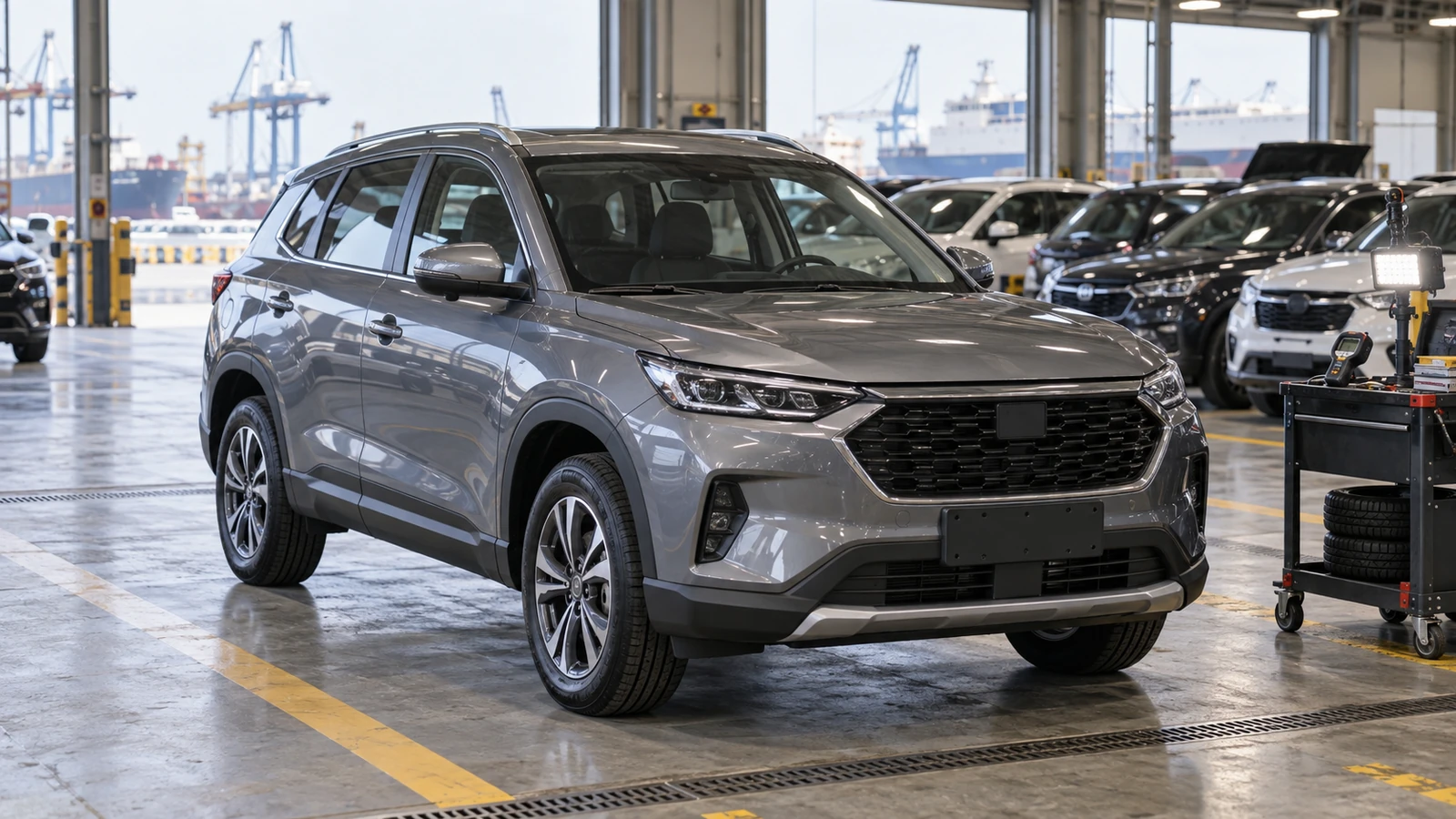
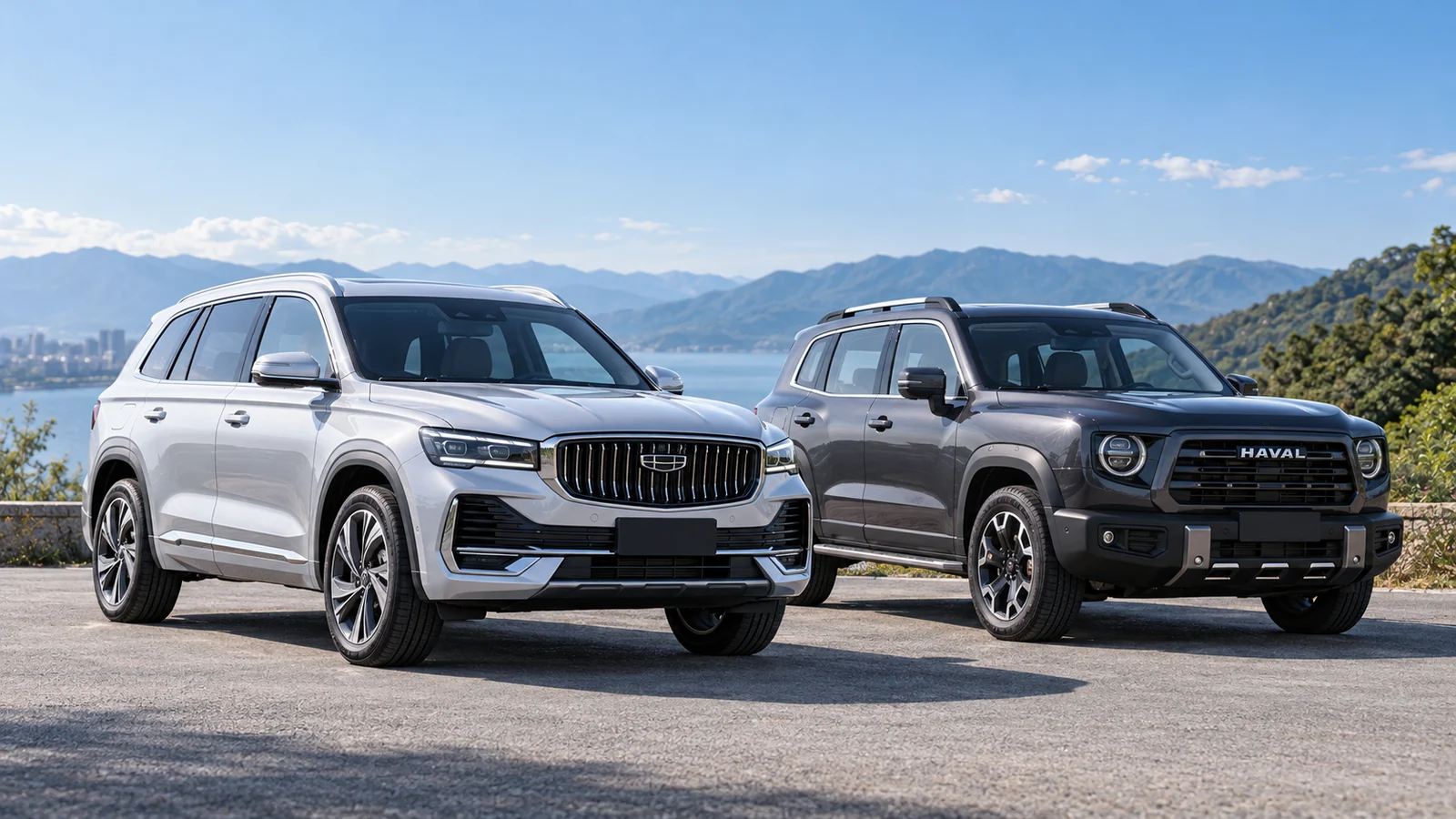
Dealers planning to buy used cars directly from China should begin with a controlled vehicle brief, not a request for “the best price.” The brief must define the model and model year, fuel type, transmission, drivetrain, seating, target condition, acceptable mileage basis, destination-country requirements, inspection evidence, export-document scope, quantity and delivery term. Because used vehicles are individual assets, a model-page specification does not automatically describe the exact unit offered. Buyers should require every quotation to identify the specific vehicle, disclose deviations, separate vehicle price from optional services and link photographs, condition records and documents to the same vehicle reference before approval.
Start With the Dealer’s Market, Not the Available Stock List
A vehicle that is attractive in one market may be difficult to register, service or resell in another. Define the customer segment, normal road conditions, fuel availability, preferred body style, steering position, emissions or age restrictions, parts support and resale-price band before asking an exporter to search inventory. This prevents purchasing teams from choosing a vehicle solely because it appears inexpensive at source.
The sourcing brief should distinguish mandatory requirements from preferences. Fuel type, drivetrain, seating and legal eligibility may be mandatory; colour or trim can be flexible. A supplier can then return a compliant offer, a documented alternative or a request for missing buyer input instead of guessing.
Which Vehicle Identity Fields Must Match?
The commercial name is not enough. Model year, exact version, engine, transmission, drive type and equipment package can vary within one model family. The final offer should identify the exact unit through the vehicle identification number or another traceable stock reference when available, subject to the exporter’s documentation process.
Buyers should compare the sales listing, identification records, inspection evidence and commercial invoice for consistency. Any translation of a domestic trim name should retain the original reference or a clear mapping so that the dealer knows which configuration is being purchased.
What Should a Comparable Used-Vehicle Offer Contain?
| Decision area | Buyer input | Supplier confirmation | Risk if missing |
|---|---|---|---|
| Vehicle identity | Model, year, trim and fuel | Exact offered unit/reference | Wrong version supplied |
| Condition | Acceptance limits | Photos and inspection scope | Subjective “good condition” claim |
| Mileage | Maximum or preferred band | Displayed/recorded basis | Unlike units compared |
| Configuration | Engine, gearbox, drive, seats | Unit-specific specification | Model-family assumption |
| Documents | Destination requirements | Included export records | Customs or registration delay |
| Price | Required commercial boundary | Included/excluded charges | False price comparison |
| Delivery | Port, term and schedule | Logistics scope and assumptions | Unexpected destination cost |
How Should Buyers Define Vehicle Condition?
“Used” and “ready for export” are not complete condition standards. State what the dealer expects to inspect: exterior panels and paint, glass and lamps, cabin wear, tyres, visible underbody condition, fluid leakage, warning indicators, starting and basic operation, and the presence of keys and accessories. The exact checklist should reflect the vehicle type and destination.
Photographs should be recent, sufficiently detailed and tied to the offered unit. Ask for the inspection date, who performed the check, which items were tested and which areas were not inspected. A photo set is evidence of visible condition at a point in time; it is not automatically a mechanical warranty or proof of accident history.
Why Must Mileage Evidence Be Treated Carefully?
Mileage influences valuation, but the displayed odometer reading must be interpreted with available records and the supplier’s inspection boundary. Buyers should request an image of the instrument display and any supporting service or registration information available for the specific vehicle. If history is incomplete, the quotation should say so rather than present an unsupported conclusion.
Dealers should avoid ranking offers by mileage alone. Age, maintenance evidence, operating environment, tyre condition, interior wear and mechanical inspection also affect resale readiness. The purchasing decision should record what has been verified and what remains a buyer risk.
How Should Model Specifications Be Verified?
A catalog page describes a model reference, while a used-car transaction concerns one unit. The buyer should verify engine, transmission, drivetrain, seating, dimensions, safety equipment, multimedia language, key count and other resale-critical features against the exact offer. Optional equipment and domestic-market trim descriptions must not be assumed.
For example, Jansbon’s Haval H6 reference identifies a 2023 National Trend 1.5T Automatic Champion as a five-door, five-seat gasoline SUV with a 1.5T turbo engine, seven-speed wet DCT and front-wheel drive. Those model facts help screen the vehicle family, but the condition and included equipment of a quoted unit still require unit-level confirmation.
Which Destination Requirements Belong in the RFQ?
Provide the importing country and, where relevant, the intended port and registration jurisdiction. Age limits, steering-side rules, emissions requirements, vehicle standards, taxes and document procedures differ by market and can change. The importer or its appointed compliance specialist should confirm legal eligibility before payment; the exporter should identify the documents and services included in its scope.
Do not ask the supplier simply whether a car “can be exported.” Separate export eligibility from import and registration eligibility. A vehicle may leave the origin country yet still fail a destination requirement.
How Should Price and Logistics Scope Be Compared?
Require the currency, Incoterm, named place or port, validity period and a list of included charges. Identify whether inland transport, storage, inspection, export handling, insurance, ocean freight, destination charges, duties or local registration are included or excluded. Two identical vehicle prices can produce different landed costs when the service boundaries differ.
For multiple units, clarify whether the quotation applies to specific vehicles or a model-and-condition sourcing standard. Used inventory can change quickly, so replacement-unit approval rules should be written before the original unit becomes unavailable.
How Should Buyers Evaluate a Haval H6 Offer?

Dealers can first review Jansbon’s used car sourcing range to understand available vehicle categories. The 2023 Haval H6 1.5T Automatic Champion page is a concrete model reference for a gasoline compact SUV.
Before approval, request the specific stock reference, current photographs, mileage evidence, condition checklist, exact configuration, included keys and accessories, document list and delivery scope. The product page supports discovery; the approved unit record and quotation control the purchase.
What Common Sourcing Mistakes Create Risk?
- Buying from model photos: images may describe a family rather than the final unit.
- Comparing headline prices: condition, documents and delivery scope differ.
- Using “good condition”: no measurable inspection boundary exists.
- Assuming export means importable: destination eligibility is not confirmed.
- Accepting substitutions automatically: the replacement unit may have a different trim or condition.
What Should a Used-Car Sourcing RFQ Include?
- Destination country and intended sales market.
- Make, model, year and acceptable alternatives.
- Body type, fuel, transmission, drivetrain and seating.
- Required/acceptable trim and equipment.
- Condition limits and inspection checklist.
- Preferred mileage band and evidence required.
- Photos, video or third-party inspection requirement.
- VIN/stock-reference and document matching requirement.
- Required export and destination documents.
- Quantity and replacement-unit approval method.
- Currency, Incoterm, port and price validity.
- Included services, exclusions and delivery schedule.
Send the brief through the Jansbon vehicle sourcing inquiry. Ask the supplier to return each field as Confirmed, Deviation, Alternative, or Buyer Input Required before paying a deposit or approving shipment.
Frequently Asked Questions
Can a dealer approve a used car using only the product-page specification?
No. A product page is useful for identifying a model family, engine, transmission or equipment direction, but a used-vehicle purchase concerns one physical unit. The dealer should approve a unit-linked photo set, mileage evidence, condition record, exact configuration, stock reference and document scope. Where any evidence is unavailable, the quotation should identify the limitation.
Should the lowest-mileage vehicle always receive priority?
No. Mileage is one selection variable. Vehicle age, maintenance information, accident or repair evidence where available, tyre and interior wear, mechanical findings, configuration and destination-market demand also affect value. Buyers should compare a defined condition package rather than using one odometer figure as the entire quality decision.
What happens if the quoted vehicle is sold before approval?
Used inventory is unit-specific and may change. The RFQ should define whether the supplier may propose a replacement and which fields must remain the same. A substitute should receive a new stock reference, evidence pack and buyer approval; similarity in model and colour is not sufficient authorization.
Who should confirm that a used car can be registered in the destination country?
The importer should verify current local eligibility through its customs, registration or compliance resources. The exporter can confirm the origin-side supply and document scope it offers, but the buyer should not treat a general export statement as a guarantee of destination registration.