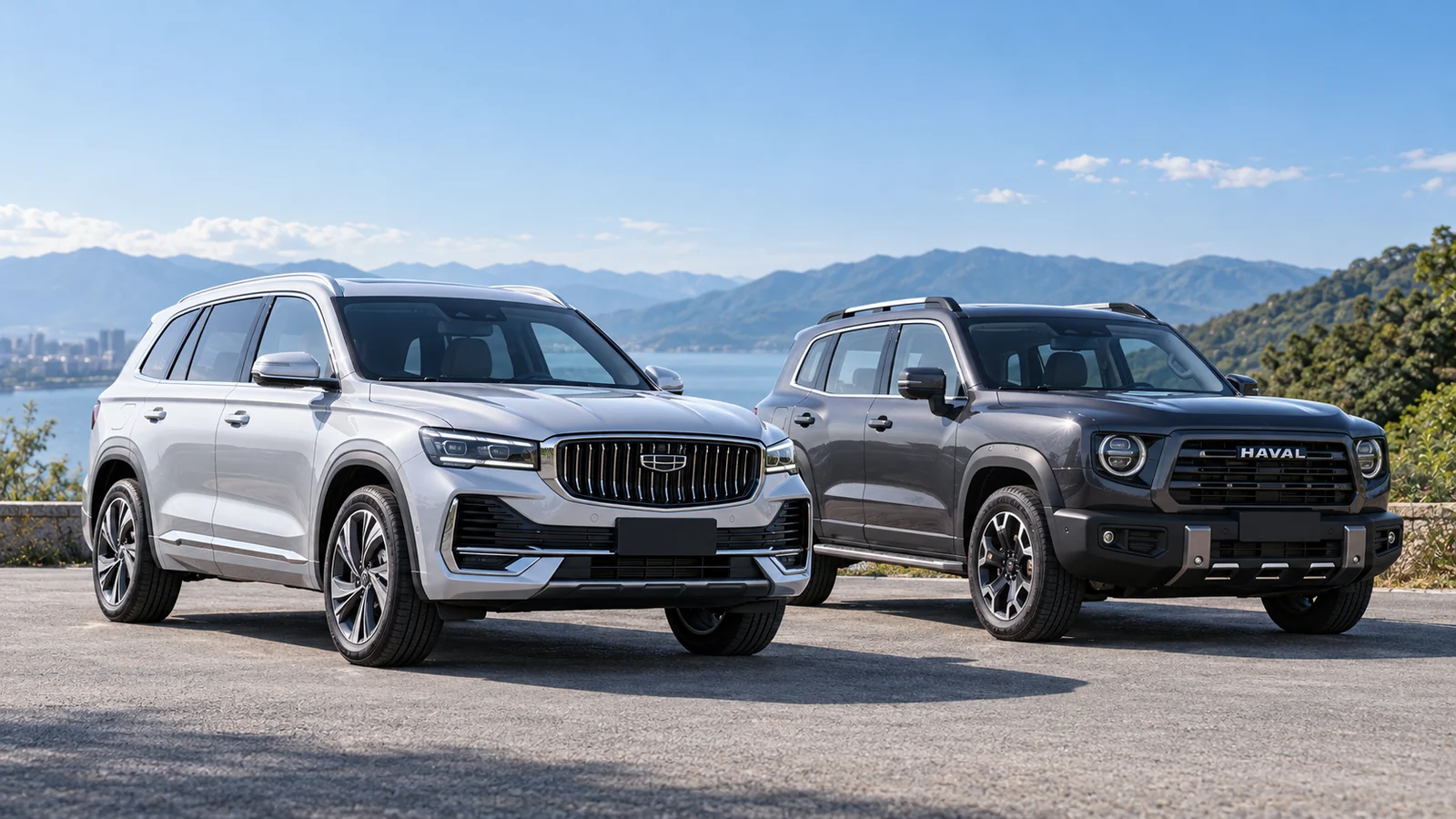
Chinese Hybrid Cars: How to Choose Between HEVs and PHEVs
2026-10-10 15:45:32
To choose among Chinese hybrid cars, start with access to regular charging and the distance driven between charges. A non-plug-in hybrid electric vehicle (HEV) is worth prioritizing when charging is inconvenient. A plug-in hybrid electric vehicle (PHEV) deserves consideration when you can charge routinely and use stored electricity for a meaningful share of everyday driving. The next step is to compare energy consumption under conditions that resemble your journeys.
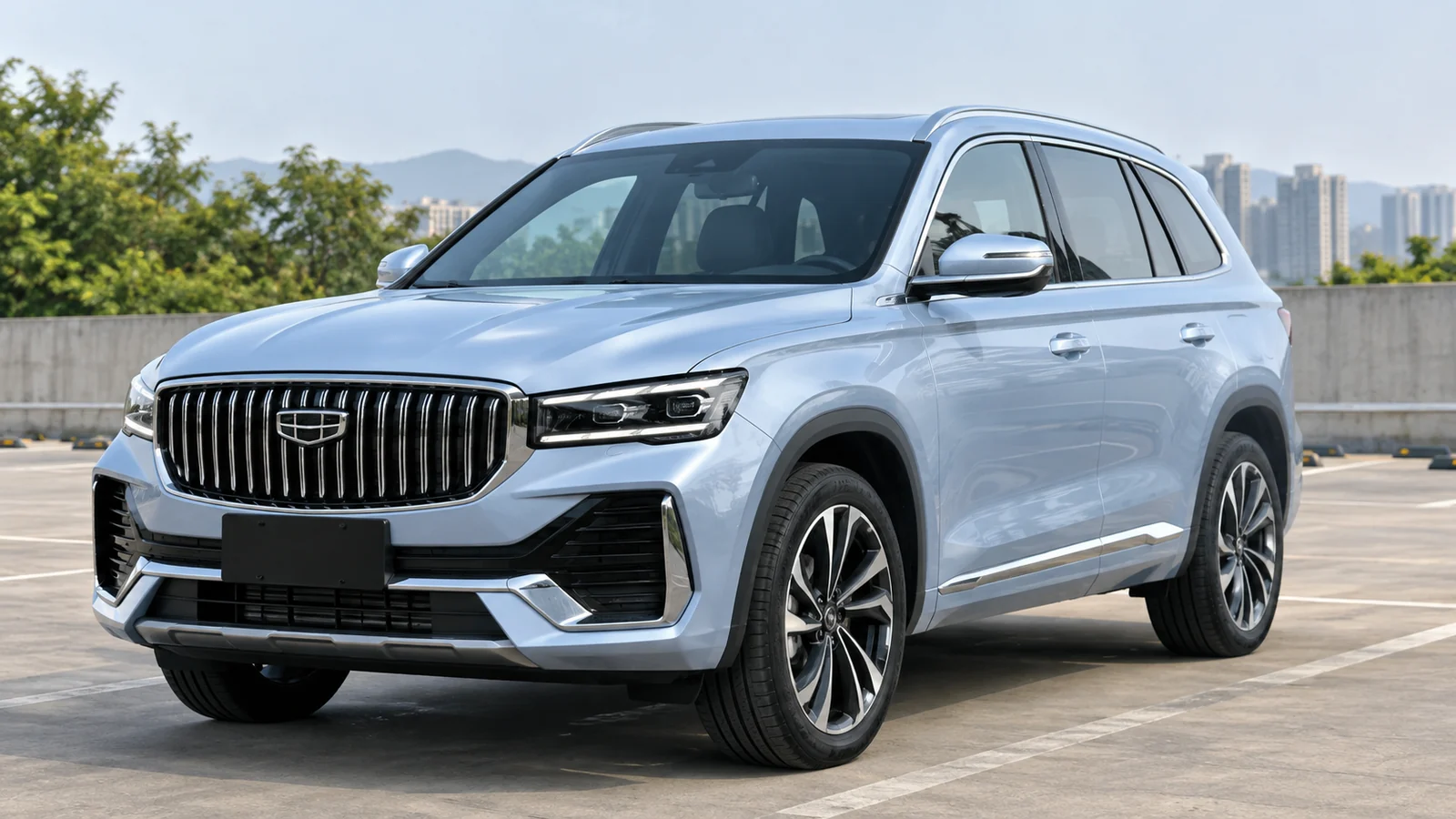
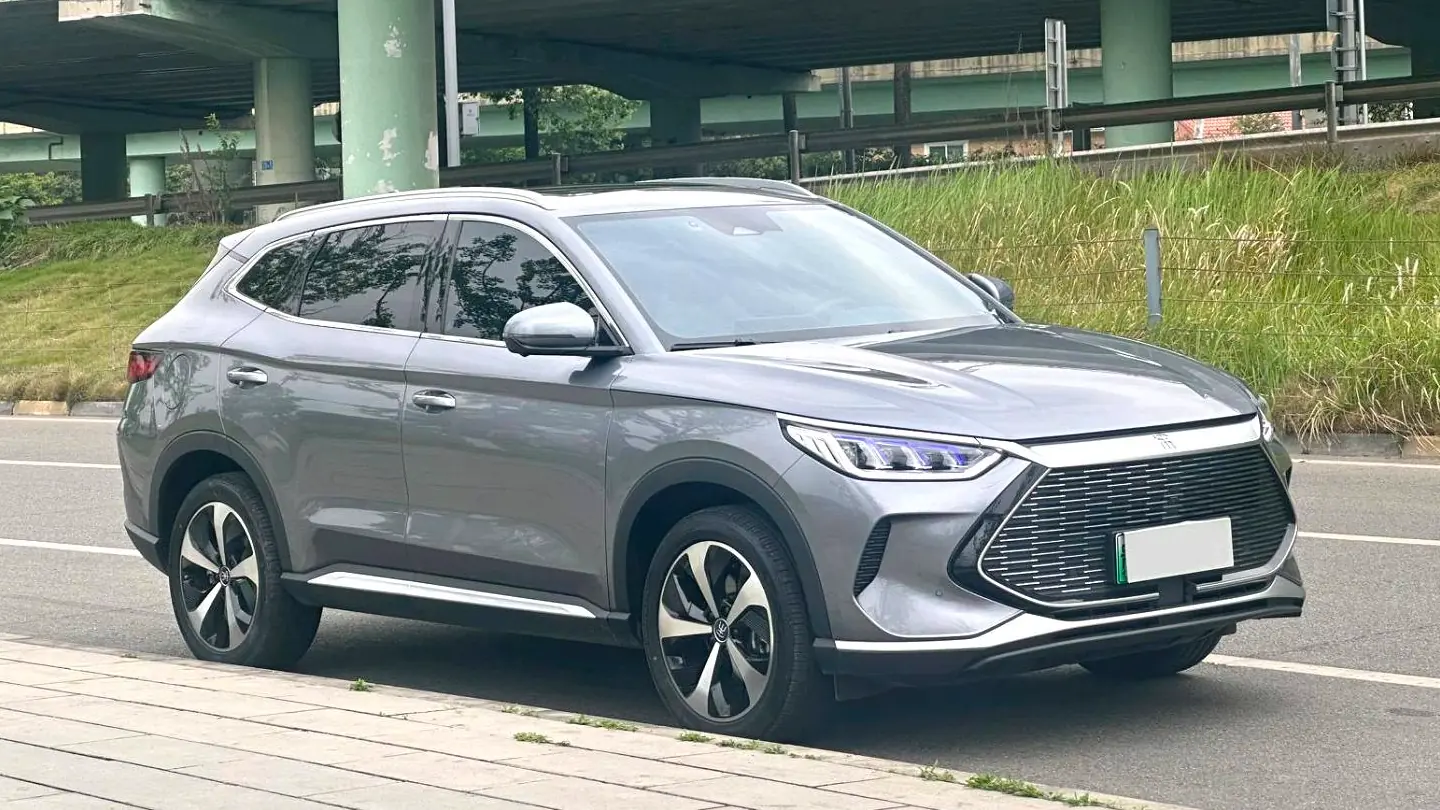
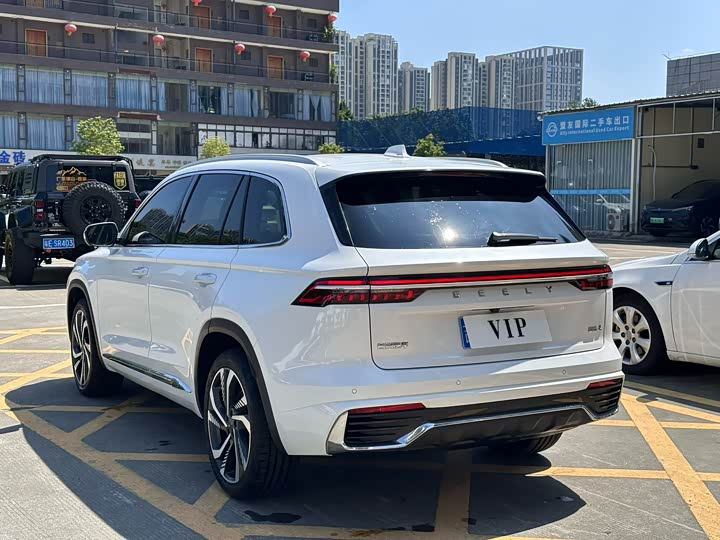
Jansbon Car lists both HEV and PHEV vehicles, including versions of the Geely Xingyue L and BYD Song PLUS DM-i. These vehicles illustrate the two powertrain types. Choosing between HEVs and PHEVs requires more than comparing a fuel-consumption headline: charging time, the route, the exact vehicle version and the basis of its range figures all affect the decision.
Which Chinese Hybrid Cars Are HEVs, and Which Are PHEVs?
This comparison focuses on non-plug-in full hybrids and plug-in hybrids. Both combine an internal combustion engine with electric propulsion, but they obtain and use electrical energy differently. Confirm the actual powertrain before using a model name to shortlist a vehicle.
Non-Plug-In HEVs
A non-plug-in HEV cannot charge its traction battery from an external electricity supply. It recovers some energy during braking and can use the engine to generate electricity. The vehicle manages the engine and motor together; some full hybrids can also drive on electric power alone under suitable conditions.
Jansbon Car’s 2022 Geely Xingyue L Hi·F HEV listing identifies a non-plug-in hybrid with a 1.5T engine and three-speed DHT Pro transmission. Keep the year and Hi·F designation in any specification comparison. Other Xingyue L versions may have different powertrains, so the nameplate alone does not identify an HEV.
Plug-In Hybrids
A PHEV can charge its traction battery from an external supply and use that stored energy for driving. It also carries fuel for its engine. Once the available charge for electric driving has been used, a PHEV can continue operating with its engine and hybrid system.
The 2022 BYD Song PLUS DM-i PHEV listed by Jansbon Car is the 110KM Flagship PLUS 5G Edition, with a 1.5L engine and E-CVT transmission. For this plug-in version, the practical question is how regular charging would fit the intended journeys. The Geely and BYD listings illustrate different hybrid types; they do not establish a fuel-economy ranking between the two vehicles.
Which Hybrid Type Fits Your Charging Access and Driving Pattern?
Regular Charging and Predictable Daily Trips
A PHEV is worth considering when home, workplace or depot charging fits an ordinary routine. The relevant distance is what you drive between charging opportunities. A vehicle that returns to a charger each evening has a different use pattern from one travelling for several days between charges.
Check how long the vehicle will remain parked and how much charging it can complete during that time. Confirm the charging capability of the exact version; a plug-in designation does not establish a particular charging rate or DC fast-charging capability. For AC charging, the vehicle’s onboard charger can limit the rate even when the charging unit can supply more. A nearby public charger is only useful if access, availability and waiting time suit the journey.
Even a trip shorter than the published electric range does not guarantee zero fuel use. Depending on the vehicle and conditions, the engine may start to meet power demand or heating and climate-control requirements. Allow for the actual route and operating conditions when judging how much driving can use externally supplied electricity.
Limited Charging and Longer Journeys
When regular charging is impractical, an HEV offers a way to use hybrid propulsion without adding a charging routine. A PHEV can still be used without plugging in, but its fuel consumption in that operating state becomes especially relevant. The powertrain label alone cannot establish which vehicle will cost less to run.
For frequent long journeys, compare consumption after the initial electric-driving charge has been used, alongside the opportunities to refuel or recharge. Occasional long-distance travel does not automatically rule out a PHEV that otherwise receives regular charging.
| Driving and charging pattern | Option to investigate | Decision check |
|---|---|---|
| Predictable trips with routine charging | PHEV | Usable electric driving and charging completed during normal parking time. |
| No dependable place to charge | Prioritize HEVs for comparison | Compare any PHEV alternative using fuel consumption without routine external charging. |
| Short weekday trips and occasional long journeys | Consider both types | Assess the PHEV’s electric use during the week and hybrid operation on longer trips. |
| Frequent highway travel with short stops | Compare specific vehicles | Use a representative route and a realistic refuelling or charging schedule. |
How Should You Compare Fuel Consumption and Driving Range?
Fuel Use with Regular Charging and in Charge-Sustaining Operation
A PHEV can consume fuel and externally supplied electricity over the same journey. A low litres-per-100-kilometres figure therefore needs its electrical energy use and measurement conditions alongside it. Comparing that figure directly with an HEV’s fuel consumption can give an incomplete picture.
Separate results that include driving from a charged battery from charge-sustaining fuel consumption. Charge-sustaining operation describes the vehicle using its engine and hybrid system to manage battery charge within an operating range, typically after the initial charge available for electric driving has been reduced. It does not mean a failed or completely empty battery.
Ask which operating state a published figure represents. Terms such as “combined” or “hybrid consumption” do not, on their own, establish a shared measurement basis. A figure weighted to include charged driving should not be treated as the fuel consumption expected throughout an uncharged long-distance trip.
Electric Range and Total Driving Range
Electric-only range describes a vehicle’s rated electric driving capability under stated conditions. Total driving range can include both battery energy and fuel. A large total-range figure cannot tell you whether a PHEV will cover the everyday journey on electricity.
For example, Jansbon Car’s Song PLUS DM-i listing identifies its 110 km electric range as an NEDC figure. Preserve that label when discussing the specification. A different model’s WLTP, WLTC or CLTC figure should retain its own reported basis; do not convert between them using an assumed universal percentage.
Route speed, temperature, climate-control use and vehicle load can change the energy required for a journey. Use published figures to understand the specification, then assess whether the underlying conditions support the intended comparison.
| Information to compare | What to confirm |
|---|---|
| Vehicle version | Model year, trim and HEV or PHEV powertrain. |
| Fuel consumption | Test basis and whether charged, weighted or charge-sustaining operation is represented. |
| Electricity consumption | Units, measurement basis and whether charging losses are included. |
| Range | Electric-only or total range, with the original test-cycle or procedure label. |
| Use conditions | Route, load, climate and charging pattern relevant to the intended driver. |
How Do Charging Habits Change Everyday Energy Costs?
Compare Fuel and Electricity over the Same Distance
Regular charging can change a PHEV’s balance of fuel and electricity use. Whether that reduces spending depends on both consumption and the prices actually paid. Public charging fees, home electricity rates and fuel prices can produce different results for the same vehicle.
For a practical comparison, use a representative period and record distance travelled, fuel consumed, charging electricity purchased and the applicable prices. Compare similar routes and loads. Start and finish with similar battery charge levels, or account for the energy difference, so that one vehicle does not receive an uncounted starting charge. Match fuel measurement to the same distance; fuel purchased during a short period may still be in the tank at the end.
Energy cost per 100 km = 100 × (fuel cost + charging electricity cost + separately billed charging fees) ÷ distance travelled in kilometres.
For home charging, use metered charging electricity and the applicable tariff where available. For public charging, use the actual session bill, including applicable fees. Add a service fee separately only when it is not already included. Metering points vary, so do not assume that every billed kilowatt-hour figure includes the same losses. Dashboard driving consumption may also exclude charging losses. Keep all costs in the same currency and use local rates for the period being assessed.
When comparing specifications before purchase, request the underlying fuel and electricity figures with their conditions. Without comparable inputs, a calculation may show precise numbers while leaving the important difference unresolved.
Keep Energy Costs Separate from Other Ownership Costs
The calculation above measures energy spending. Purchase price, charging equipment, insurance, maintenance and other ownership expenses require separate consideration. A lower energy bill does not establish a lower total ownership cost.
Both HEVs and PHEVs retain an internal combustion engine and its maintenance requirements. Follow the exact model’s service schedule and check whether appropriate support is available where it will be used. Having an engine and an electric drive system does not justify assuming that maintenance costs will double, or that either hybrid type will always be cheaper to maintain.
Which Details Turn a Hybrid Type into a Useful Model Shortlist?
Once a charging pattern points toward an HEV or PHEV, reduce the comparison to specific versions. A useful shortlist should establish five details:
- Exact vehicle identity: the model year, trim and powertrain, rather than the model family alone.
- Typical journeys: distance between charging or refuelling opportunities, route type and normal passenger or luggage load.
- Practical charging: for a PHEV, the supply it can use and the charging time available during routine parking.
- Comparable energy data: fuel and electricity consumption, electric-only range and the conditions behind each figure.
- Maintenance arrangements: the model’s service requirements and access to suitable support at the destination.
Chinese hybrid cars are most usefully compared by matching the powertrain to regular journeys, then checking energy data for the exact version. HEVs deserve consideration where charging is difficult; PHEVs deserve consideration where routine charging can contribute meaningfully to everyday driving. Both choices need a model-level assessment.
When you discuss your hybrid vehicle requirements with Jansbon Car, include the preferred model or hybrid type, typical travel pattern, charging access, budget and destination market. This gives the sourcing conversation a clear basis for identifying relevant vehicle options and confirming their specifications and availability.