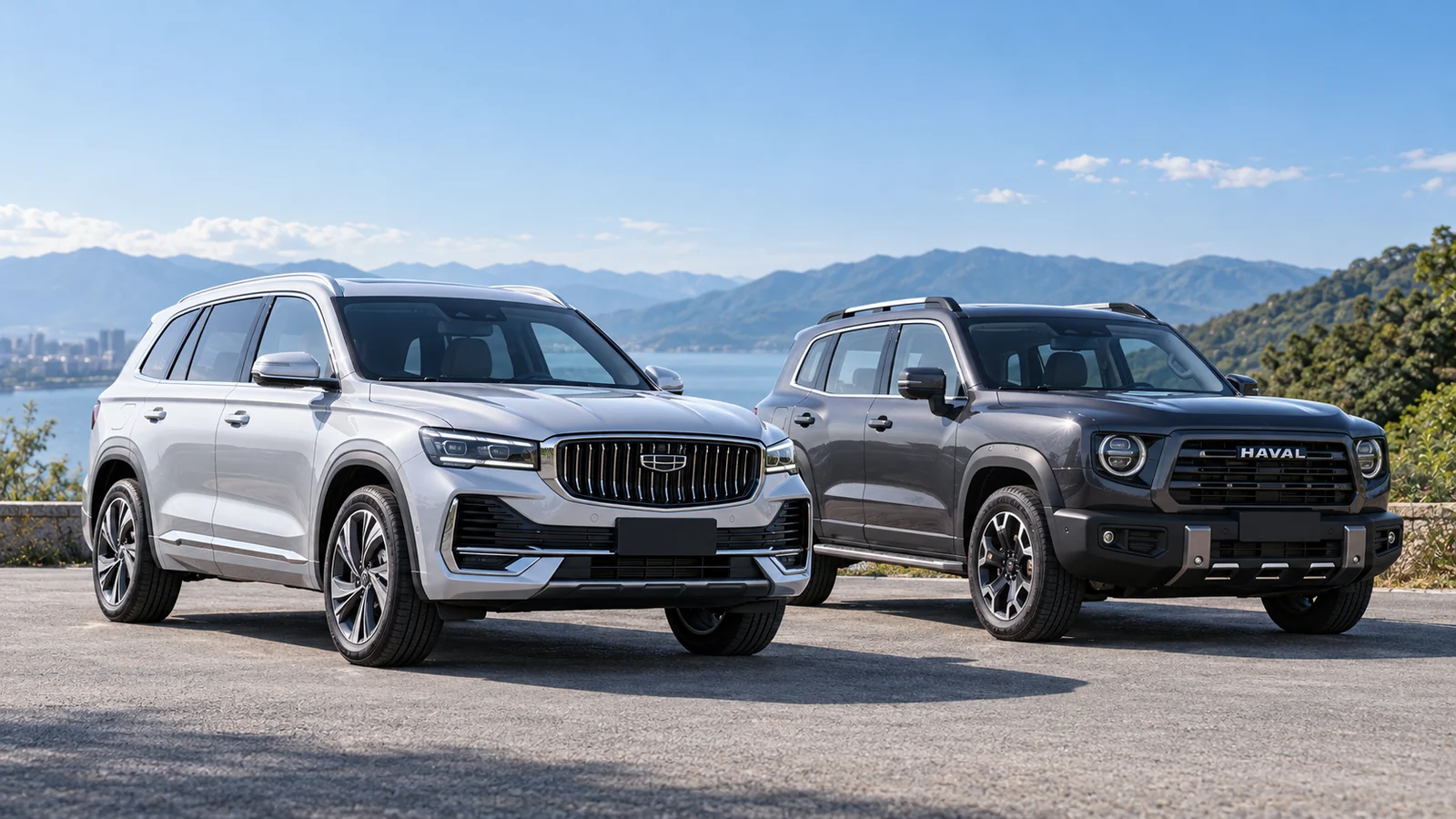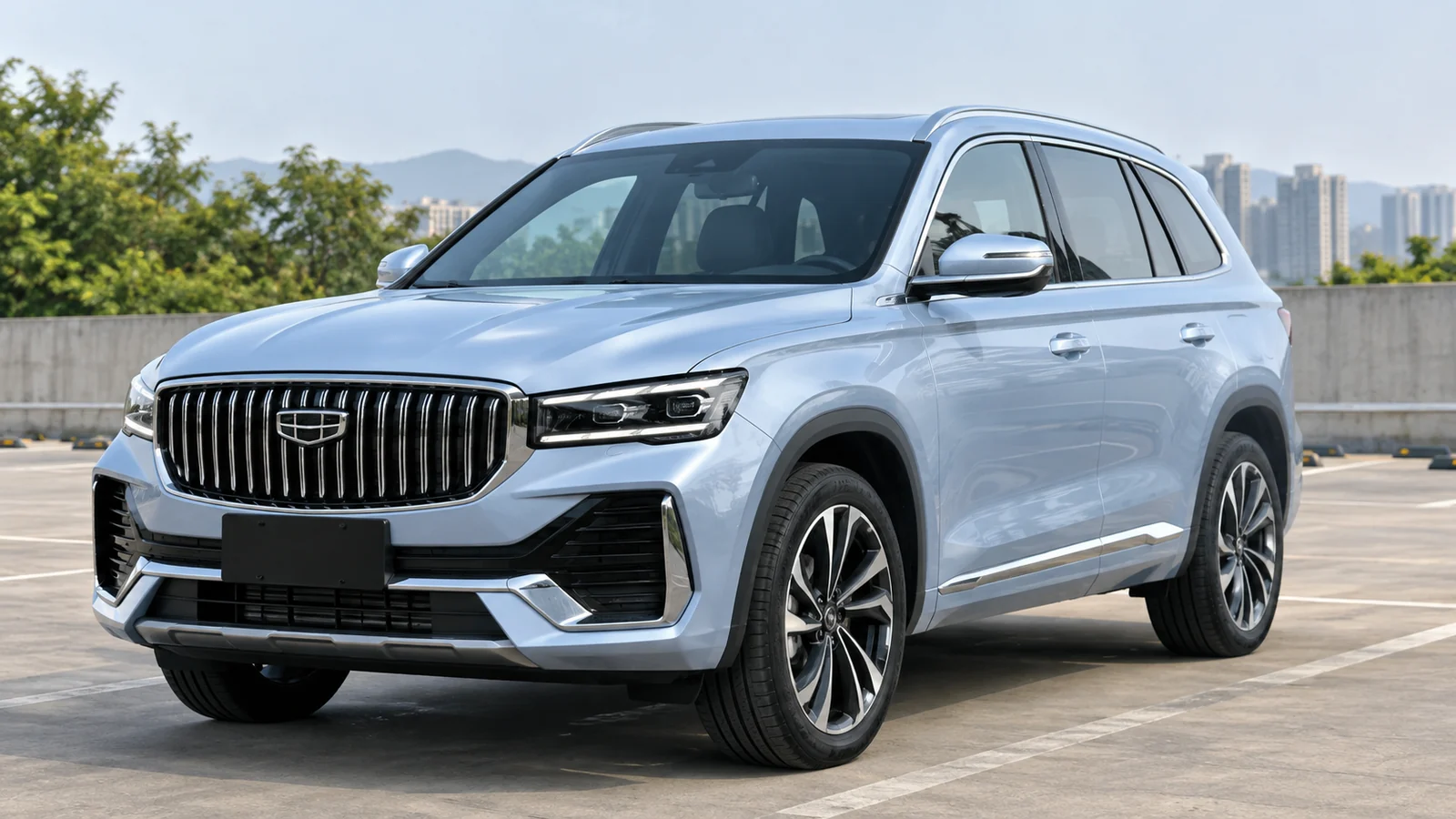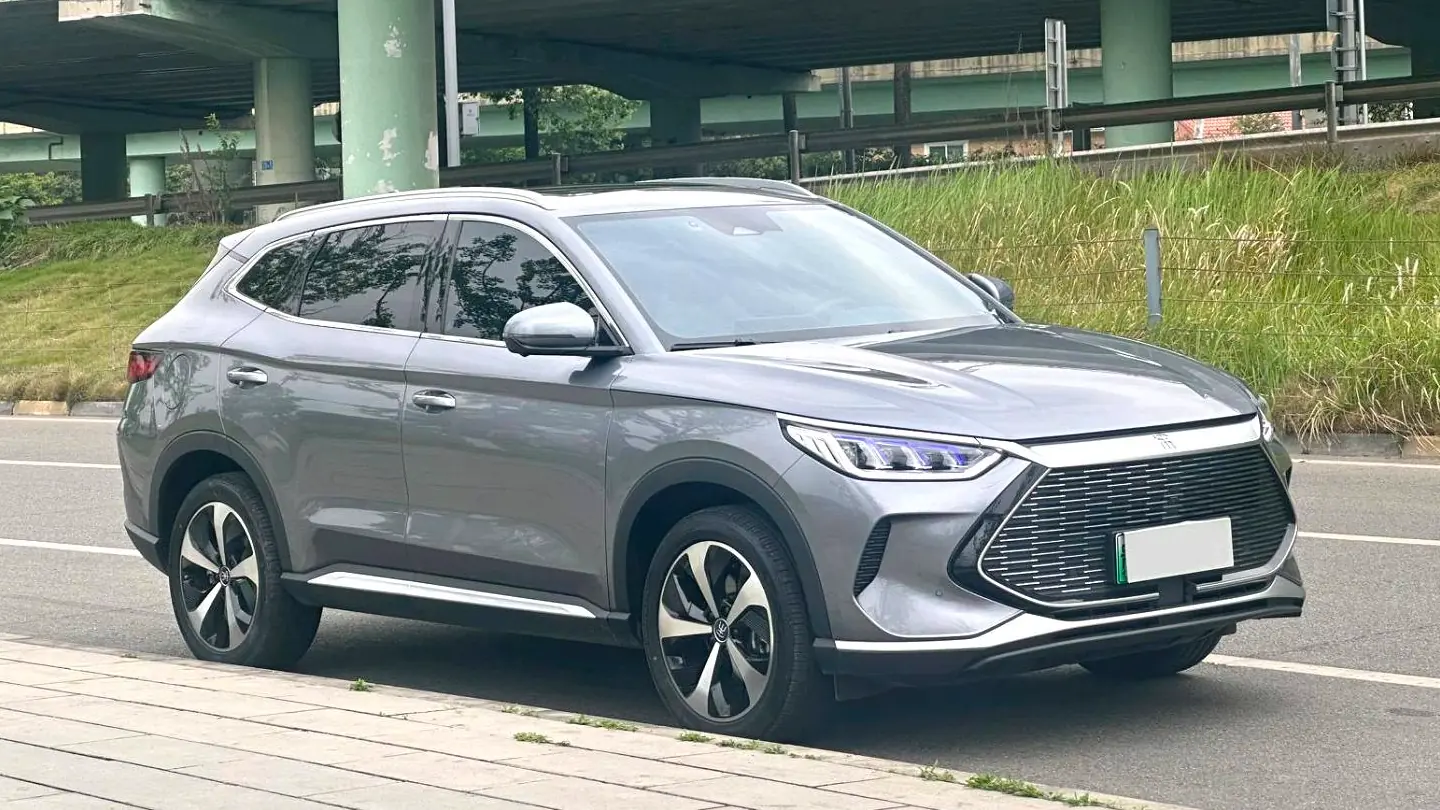
Buying Cars from China: A Dealer's Pre-Payment Checklist
2026-09-30 17:20:11
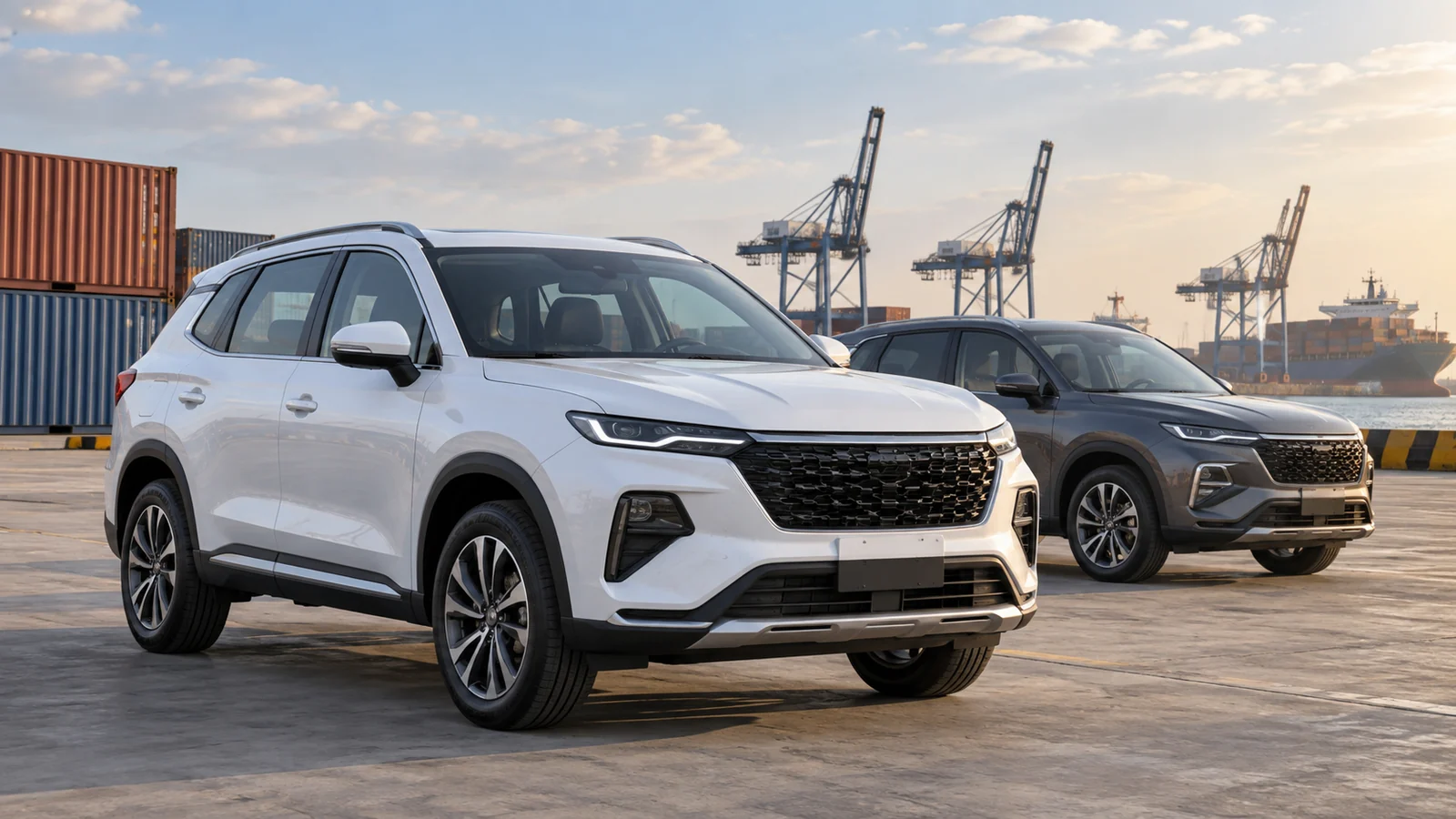
To buy cars directly from China, start with a verified seller and an importable vehicle, then agree exactly what must be confirmed before money or the vehicle changes hands. For a used-car purchase, that means matching the offer to a specific vehicle identification number (VIN), reviewing condition and mileage evidence, calculating the cost to your chosen delivery point, and setting written payment and document requirements. Buying directly does not necessarily mean buying from the manufacturer. For dealers, importers and fleet buyers, the practical objective is a traceable purchase with clear responsibilities—not simply the lowest advertised vehicle price.
Understand Who You Are Buying From
A China-based vehicle supplier may sell its own stock, source a car from another owner, or coordinate with a separate export company. Establish the legal seller, the party entitled to sell the vehicle, the entity handling export formalities and the company receiving payment. These roles can differ, but the relationship should be documented rather than explained only in a chat message.
When evaluating a China car exporter, request the registered company name, business details, contract-signing entity and payment beneficiary. Ask who is responsible if the selected car becomes unavailable, a document cannot be obtained or an inspection reveals an unacceptable defect. A trading name or an attractive stock list does not answer those questions.
Jansbon provides vehicle sourcing and export support for international buyers. Its used cars from China category is a starting point for model selection; current availability, the offered unit and the agreed service scope still need confirmation.
Confirm Import Eligibility Before Reserving a Car
Check the destination country’s requirements with your customs agent and the relevant vehicle-approval or registration specialist before committing funds. Ask which rules apply to the exact vehicle, including its steering position, safety and emissions evidence, age, prior registration and intended use. Do not substitute the advertised model year for the manufacturing date or first-registration date when the applicable rule uses one of those dates.
Origin-side export arrangements and destination-side registration are separate checks. Request written confirmation of the documents needed at each end and identify who will obtain them. A general statement that a vehicle is ready for export is not evidence that it can be registered in your market.
For a very low-mileage or recently registered car, ask how it will be classified for export and import. Confirm any current documentation or after-sales requirements associated with that classification. Appearance and mileage alone are not a sufficient basis for deciding whether the transaction follows a new-car or used-car route.
Turn the Listing into a VIN-Specific Purchase
Separate the model specification from the offered vehicle
A stock reference can help identify an initial shortlist. Before approving a particular used car for purchase, require its VIN and reconcile it with the vehicle records, inspection evidence and final commercial description. Keep the original domestic trim name alongside any English translation so that a similar-sounding version is not substituted inadvertently.
For example, Jansbon’s 2023 Haval H6 National Trend 1.5T Automatic Champion listing describes a five-seat gasoline SUV with a 1.5T turbo engine, seven-speed wet DCT and front-wheel drive. These are useful model-level screening details. They do not establish the mileage, repair history, present condition or included equipment of the unit in a new quotation.
Record the exact configuration, keys, accessories and any features essential to resale. Ask for evidence of those features on the offered car rather than treating a model-family brochure as confirmation.
Require evidence that can change the buying decision
A used car pre-shipment inspection should have an agreed scope, a date, an identified inspector and a clear connection to the VIN. Specify the checks needed for your acceptance decision: visible body repairs, underbody condition, cabin wear, tyres, warning indicators, starting and operation, and any mechanical or diagnostic assessment you require. Record inaccessible areas and unperformed tests as limitations, not as passed items.
Keep the displayed odometer reading separate from independently supported mileage history. Request available service and registration records, and ask the seller to identify gaps. Recent photographs help document visible condition; they cannot, by themselves, establish that there has never been accident or flood damage.
Consider an illustrative purchasing decision, not a Jansbon transaction: two SUVs have the same advertised trim, but one has a lower odometer reading and little supporting history. The other has more complete inspection and maintenance evidence. The first should not automatically receive approval. Resolve the material gaps, renegotiate against a disclosed condition assessment, or reject the unit when it cannot meet your acceptance criteria.
Compare Complete Costs, Not Headline Prices
Use the same destination and cost boundary
Request the quotation currency, validity period, exact vehicle, named delivery place or port, agreed Incoterms® rule and edition, and itemised inclusions and exclusions. A vehicle price collected at the seller’s location is not directly comparable with a quotation that includes origin handling and ocean freight.
For planning purposes, calculate the landed-to-yard cost as the vehicle price plus applicable origin charges, freight, insurance, destination clearance and handling, import taxes and inland delivery. Add registration, reconditioning and a contingency allowance separately when estimating the budget needed to prepare the vehicle for your business. This is a budgeting structure, not a customs valuation or tax formula.
Mark each charge as included, separately quoted or awaiting confirmation. Avoid counting freight or handling twice when already included in the seller’s price. Ask your local adviser which taxes are payable and how they should be treated in your costing. For a multi-vehicle shipment, agree how shared freight and handling costs will be allocated to individual units.
Clarify freight, insurance and risk separately
When comparing FOB vs CIF car shipping, ask who arranges main carriage, pays freight, obtains insurance and bears each destination charge. ICC Incoterms® 2020 allocate delivery obligations, costs and risks; review the selected rule with the forwarder against the actual handover arrangement. Do not treat a three-letter abbreviation as a complete purchase contract.
A CIF quotation should not be interpreted as an all-inclusive, locally registered vehicle price. Under ICC Incoterms® 2020, the default CIF insurance level is Institute Cargo Clauses (C), unless higher cover is agreed. Ask what the proposed policy actually covers, including exclusions, deductibles and claim requirements. Do not assume that cargo insurance is a mechanical warranty or that every kind of vehicle damage is covered.
Keep separate written terms for payment, title, condition acceptance and remedies. The amount you pay for transport and the point at which you take responsibility should both be explicit.
Set Approval Conditions Before Sending Payment
Negotiate the payment schedule around the transaction’s evidence and document sequence. State what a reservation payment secures, how long the unit is held, what happens after an unacceptable inspection, and how cancellation or substitution will be handled. There is no reason to assume that a deposit is refundable unless the agreed terms say so.
The following table is a buyer-side review framework, not Jansbon’s standard payment policy. Agree the applicable milestones with the seller before signing.
| Decision point | Evidence to approve | Reason to pause |
|---|---|---|
| Seller approval | Legal counterparty, authority to sell and verified payment instructions | Unexplained entity or beneficiary mismatch |
| Vehicle reservation | Specific VIN, destination eligibility review and written reservation terms | Unresolved import restriction or unclear reservation outcome |
| Condition acceptance | Dated inspection, disclosed defects and agreed treatment of deviations | Missing material evidence or an unapproved replacement unit |
| Payment milestone | Contractually required evidence and reconciled invoice details | Unverified bank change or an unmet payment condition |
| Shipment release | Approved unit, document status and handover arrangements | VIN inconsistency or a required document with no agreed delivery date |
Independently verify the beneficiary and any change to bank details or payment procedures. Use a previously established or independently obtained contact number, rather than a new number included in the same message requesting payment. An urgent request does not remove the need for verification.
Where a separate company will receive funds, ask for the documented relationship and agreed payment instructions, and obtain appropriate commercial or legal review. A substitution also needs a fresh decision: matching colour and model name does not authorise a different VIN, specification or condition.
Close the Document and Handover Gaps
Create a vehicle export documents schedule showing the required document, issuer, vehicle reference, recipient, format and due date. Depending on the transaction and destination, the schedule may include the commercial invoice, vehicle registration or ownership records, export-related approvals, inspection records, transport documents and any required origin or conformity evidence. Confirm the actual list with the exporter and destination-side advisers; it is not identical for every market.
Distinguish documents available for pre-purchase review from those issued later. An on-board bill of lading relates to goods already loaded on board, so it cannot serve as proof of a future loading event. Agree how draft details will be checked and when the final transport document will be released. Do not mark a promised document as already received.
At handover, retain dated condition photographs and reconcile the vehicle, keys and accessories with the approved record. Before arrival, confirm who handles clearance, storage, onward transport and any damage notification. Record the applicable deadlines in the contract, carrier instructions or insurance policy rather than assuming one universal claim period.
Frequently Asked Questions
Does buying directly from China mean buying from a factory?
No. A direct purchase can be from a China-based exporter or sourcing supplier. Ask which entity is selling the car, how it is entitled to supply it and who will handle export formalities. Do not infer manufacturer status from the word “direct.”
Can a dealer start with one vehicle?
Ask the supplier to confirm its order requirements, vehicle availability and shipment options. A single-car order should still be costed through to the agreed destination. This guide does not establish a minimum order quantity or a one-car shipping commitment for Jansbon.
Is the lowest quoted price the best buying option?
Only after the vehicles and commercial terms are comparable. Check identity, condition evidence, included services and the cost to the same delivery point. A lower figure with unresolved inspection or destination costs is not a complete comparison.
Is an export-ready car guaranteed to be registrable overseas?
No. Verify the destination’s current import and registration requirements for the exact vehicle. Ask the exporter to identify its origin-side document scope, and use qualified destination-side support for the local eligibility decision.
What should happen when the selected car becomes unavailable?
Apply the cancellation or replacement process agreed in the contract. Review any substitute against its own VIN, specification, condition evidence and price. Do not allow the original approval to transfer automatically to another vehicle.
Send an Inquiry That Can Become a Verifiable Offer
Start with the destination country and port, intended use, preferred model and year, fuel and drivetrain requirements, condition limits, quantity, budget boundary and purchasing schedule. Ask the supplier to separate confirmed facts from items needing further verification, then request VIN-specific evidence for the shortlisted unit.
Use the Jansbon vehicle sourcing inquiry to discuss suitable options and request an itemised quotation. Confirm current availability, inspection arrangements, export-document scope and delivery terms for the actual order before payment. The buying decision should rest on an approved vehicle and written responsibilities, not on the listing alone.