News
How Should Dealers Compare Used Chinese Cars Before Bulk Purchase?
2026-09-24 10:43:16
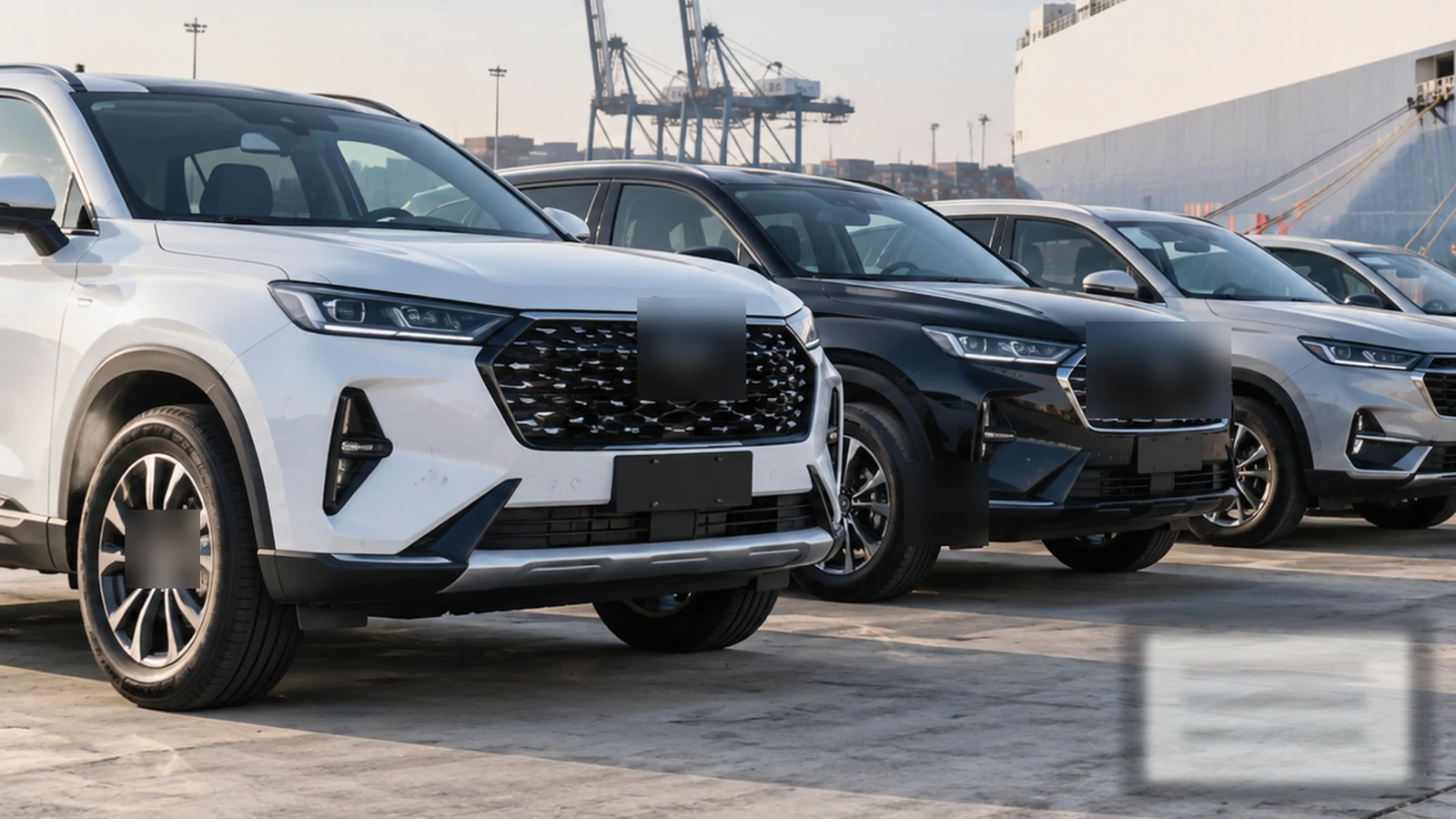
Dealers comparing used Chinese cars for bulk purchase should evaluate each physical vehicle against one common acceptance standard. The model name and purchase price are not enough because used units can differ in mileage, trim, body condition, interior wear, maintenance history, tires, mechanical condition and available documents. A professional batch process starts with exact vehicle identity, then normalizes configuration, mileage, inspection evidence, reconditioning scope and allowed variation across the group. The buyer should approve the batch only after every unit is traceable to the same comparison matrix and unresolved deviations are separated from the accepted vehicles.
Why Used Chinese Cars Must Be Compared Vehicle by Vehicle
New-vehicle procurement is largely a specification-control problem. Used-vehicle procurement adds a second layer: every unit has its own history and current condition.
Two used Chinese cars can share the same model year and trim and still have very different procurement value. Differences can come from:
- mileage;
- usage pattern;
- body and paint condition;
- interior wear;
- tire condition;
- maintenance history;
- repair history where available;
- mechanical and electrical condition;
- included keys or accessories.
This is why a dealer should not approve a batch based on one sample vehicle or one model-page description.
Buyer rule: same model does not mean same condition, and same condition label does not mean the same evidence.
Confirm Vehicle Identity Before Comparing Price
A clean comparison begins by confirming that every vehicle is what the supplier says it is.
For each unit, record:
- make and model;
- model year;
- trim or version;
- VIN or traceable stock reference where available;
- engine or powertrain;
- transmission;
- drivetrain;
- seating;
- key equipment.
This prevents a dealer from comparing two vehicles under one broad model name even though one has a different drivetrain, trim or equipment package.
For example, Jansbon’s 2023 Haval H6 1.5T Automatic Champion product page provides a model-level reference for a used gasoline SUV. That page is useful for understanding the configuration direction. The final purchase, however, should still be linked to the specific physical unit, current mileage, condition evidence and commercial documents.
Mileage Matters, but It Is Not a Condition Grade
Searches for used Chinese cars for sale often emphasize mileage because it is easy to compare. Mileage is important, but it is only one variable.
A lower odometer reading does not automatically establish a better vehicle. Buyers also need to consider vehicle age, maintenance, operating environment, body condition, interior wear, tire condition, warning indicators and mechanical or electrical evidence.
A dealer comparing a 30,000 km vehicle with a 50,000 km vehicle should not ask only:
Which one has fewer kilometers?
The better question is:
Which vehicle has the stronger evidence against the dealer’s acceptance standard?
This prevents low mileage from becoming a substitute for an actual condition review.
Build One Standard Condition Checklist for Every Vehicle
For wholesale used Chinese cars, a consistent checklist is more valuable than twenty different photo sets reviewed informally.
Exterior Condition
Record the visible condition of body panels, paint, bumpers, glass, lamps, wheels and tires. If cosmetic repair limits matter to the dealer, define them before the supplier selects units.
Interior Condition
Review seats, trim, dashboard, controls, infotainment, air-conditioning functions and visible cabin wear. A vehicle can look strong externally and still require significant interior preparation before resale.
Mechanical and Electrical Condition
The exact inspection scope depends on the vehicle and the agreed service. Buyers can request checks relevant to the engine or propulsion system, transmission, drivetrain, warning indicators, major electrical equipment and other functions that affect resale or fleet use.
EV and Hybrid Additional Checks
For electric and hybrid vehicles, the buyer may need additional battery, charging and high-voltage-system evidence. However, those checks should be defined as an extension of the general used-car inspection rather than assuming that every used Chinese vehicle requires the same EV-specific test package.
Photos and Videos Are Useful—but They Are Not the Entire Inspection
Photos and videos help overseas buyers review visible condition without standing next to the vehicle. They are especially useful for body panels, cabin condition, tires and general appearance.
But visual evidence has limits.
It does not automatically establish:
- mechanical health;
- diagnostic condition;
- hidden repairs;
- battery condition;
- vehicle identity;
- document consistency.
A useful evidence hierarchy is:
listing description → unit-linked photos/video → vehicle identity → inspection evidence → buyer acceptance.
The stronger the purchasing commitment, the more important it is to link every piece of evidence to the same vehicle reference.
How Should Dealers Compare a Batch Instead of One Used Car?
This is where bulk procurement differs most from a single-unit purchase.
A dealer buying twenty used cars from China should create one batch comparison matrix before approving any vehicle. The purpose is to convert subjective descriptions into repeatable procurement decisions.
Vehicle Year / Trim Mileage Powertrain Condition Documents Decision Unit A Record exact version Verified basis Confirmed Within buyer standard Complete / review Accept / Review Unit B Record exact version Verified basis Confirmed Deviation noted Complete / review Accept / Review Unit C Record exact version Verified basis Confirmed Outside standard Complete / review Reject / Replace
The labels in the final column should follow the dealer’s own procurement standard. They should not be presented as a Jansbon grading system unless a specific Jansbon grading method is confirmed for the order.
Why Batch Consistency Matters to Overseas Dealers
A shipment can be commercially difficult even when every individual vehicle is technically saleable.
Wide variation in trim, mileage or condition can increase:
- reconditioning effort;
- retail pricing complexity;
- listing preparation;
- parts planning;
- inventory segmentation;
- customer explanation;
- sales-team training.
For a regional dealer, twenty similar vehicles are often easier to market and manage than twenty units with large specification and condition differences.
This is why bulk used cars from China should be evaluated at two levels:
unit acceptability + batch consistency.
Define the Allowed Variation Inside the Batch
Bulk buyers do not always need every vehicle to be identical. They do need to decide how different the vehicles are allowed to be.
The RFQ can define acceptable variation for:
- model-year range;
- mileage band;
- trim;
- colour;
- equipment;
- cosmetic condition;
- tire condition;
- number of keys;
- substitution between approved versions.
Once these limits are written, the supplier can classify a proposed substitute as compliant or non-compliant instead of asking the dealer to make a new subjective decision every time inventory changes.
What Does the Quoted Condition Actually Include?
A quotation for used Chinese cars for export should clarify the condition and service scope behind the price.
Terms such as:
- as-is;
- inspected;
- repaired;
- reconditioned;
- cleaned;
- prepared for export
do not describe the same commercial scope.
If Supplier A quotes an as-is vehicle and Supplier B includes inspection and reconditioning, the two unit prices are not comparable until the work scope is normalized.
The buyer should ask what has been completed, what remains optional and who is responsible for approving any repair or replacement.
Compare Total Procurement Scope, Not Only Vehicle Price
The source vehicle price is only one component in a cross-border procurement decision.
Depending on the order, the comparison may also need to consider:
- inspection scope;
- reconditioning scope;
- inland transport;
- vehicle storage;
- export handling;
- documentation;
- port handling;
- international shipping arrangement;
- insurance where applicable;
- destination-side exclusions.
A lower vehicle price can become a higher landed procurement cost if important services are excluded or if the batch requires more reconditioning than expected.
Use Product Pages for Discovery, Not Final Unit Approval
Dealers can review Jansbon’s Used Cars category to identify model families and sourcing directions. Product pages can provide useful model-level engine, transmission, drivetrain, seating and equipment information.
But the final approval of a used Chinese SUV or sedan should be tied to the specific unit offered. Request the current stock reference, photographs, mileage evidence, condition information, exact configuration, included keys or accessories and document scope before accepting the unit.
This distinction prevents a catalog specification from being mistaken for a guarantee about every physical used vehicle under the same model name.
What Should a Bulk Used-Car RFQ Include?
Destination market and port Vehicle segment Preferred makes/models Acceptable model-year range Acceptable mileage range Petrol, hybrid or EV requirement Transmission and drivetrain Required trim or equipment Exterior and interior condition limits Inspection evidence required Repair or reconditioning scope Allowed variation within the batch Quantity Replacement-unit policy Required keys/accessories Documentation requirements Vehicle identity / stock-reference requirement Destination port Incoterm / delivery basis Acceptance and release procedure
Turn Used Chinese Cars Into a Controlled Batch Purchase
Bulk purchasing works best when the dealer converts a broad request into one measurable acceptance standard. The supplier can then source individual vehicles against that standard and flag deviations before the batch is approved.
For a sourcing review, start with the Jansbon Used Cars range, define the model-year, mileage, configuration and condition limits, and then send the batch requirements through the Jansbon vehicle sourcing inquiry.
The objective is not merely to find used Chinese cars for sale. It is to create a shipment in which every accepted vehicle matches the dealer’s intended resale, fleet or distribution standard closely enough to be commercially manageable after arrival.